
Bone Health: Why Women Need More Than “Just Take Calcium”
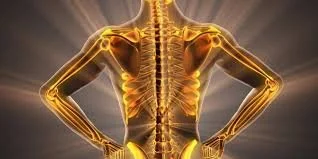
Bone loss accelerates during late perimenopause, often 1–2 years before the final menstrual period due to declining estrogen. Women can lose up to 10% of bone density in the first five years post-menopause, increasing osteoporosis and fracture risk. Yet, bone density scans aren't routinely recommended until age 65.
For women over 40, especially those building careers, leading, caregiving, and refusing to disappear, bone health is vital now, not just in retirement. Waiting until 65 to address potential osteoporosis risks misses critical intervention time.
And yet, the most common advice women still hear is painfully simplistic: “Take calcium.”
That is not a strategy. That is a sentence. And for too many women, it is the only conversation they are offered.
The Problem With the Calcium Conversation
Estrogen decline before menopause triggers bone loss, and the advice is simply to take calcium misses the core issue. Bone health depends on how well the body absorbs, activates, and deposits calcium, not just intake. This is the essential conversation women need and deserve.
Because women in midlife do not have time for vague advice. We do not have time to quietly lose strength, muscle, mobility, and resilience for ten years before someone finally decides it is “serious enough” to address. We need to understand the whole system.
Your Bones Are Alive
One of the most important shifts I want women over 40 to understand is that bone is living tissue. It is not static or simply a calcium storage container sitting quietly inside the body. Bones are constantly being broken down and rebuilt through a highly coordinated process involving hormones, minerals, protein, muscle, inflammation, sleep, cortisol, insulin signalling, vitamin D & K, and mechanical load.
Yes, estrogen matters deeply. It plays a major role in regulating bone remodelling, but estrogen does not work alone. When hormone levels change during peri-menopause and menopause, the entire bone-building environment shifts with them.
The question is no longer simply: “Am I getting enough calcium?” The better question becomes: “Is my body able to effectively build and maintain bone?”
That is the missing piece in so many conversations around women’s health.
The Signs Women Often Miss
For many high-performing women, the decline in bone and muscle health happens quietly. We keep working and supporting others, still functioning.
So we dismiss the subtle signs:
· Loss of muscle strength
· Increased stiffness
· Reduced power and stability
· More fatigue after travel
· A body that feels less resilient
· More aches after sitting or long workdays
· Less confidence in movement
Then one day, a scan confirms what the body has been trying to communicate for years. This is why bone health is a longevity issue and a quality-of-life issue.
Women’s health directly affects energy, confidence, earning capacity, independence, mobility, and the ability to continue contributing fully, both personally and professionally, and we need to stop pretending menopause is something women should manage silently while continuing to carry the same workload without support.
Calcium Is Only One Piece of the Puzzle
Calcium matters, but calcium does not magically know where to go. When calcium enters the body, an entire network of systems influences how it is utilised. Vitamin D plays a critical role in calcium absorption. Magnesium is involved in vitamin D activation and bone metabolism. Vitamin K helps activate proteins that direct calcium into bone rather than soft tissue. Protein provides the structural framework upon which bones are built. Resistance training provides the mechanical stimulus bones require to remain strong. Sleep, stress, inflammation, insulin resistance, and metabolic health all influence the environment in which bone remodelling occurs.
This is why the “just take calcium” approach is often too simplistic.
The body is not a deposit box. It is a highly interconnected biological system. And systems determine outcomes.
The HRT Conversation Women Deserve
One of the most important conversations women can have during this stage of life is with a menopause-informed GP about Hormone Replacement Therapy (HRT).
Because HRT is not simply about symptom management. Yes, many women experience significant improvements in hot flushes, sleep disturbance, mood changes, brain fog, and quality of life, but the conversation should not stop there. Estrogen affects far more than reproductive function; it plays important roles in bone health, muscle maintenance, brain function, metabolic health, cardiovascular health, and the long-term resilience of the body itself.
This matters because in peri menopause and menopause, declining estrogen is one of the major drivers of accelerated bone loss. Evidence shows that appropriately prescribed HRT can play an important role in helping protect bone density and reduce fracture risk in many women.
And yet, far too many women are still receiving outdated or incomplete information. Some are told they are “too young” or “too old.” Others are told symptoms are simply something to endure, many are never informed that menopause is not just about hot flushes. It is a significant hormonal and metabolic transition that can affect nearly every system in the body.
This is why I have a wonderful group of GP’s I work with who are genuinely informed and up to date in menopause care matters.
A menopause-informed GP can assess your individual situation, including symptoms, medical history, family history, cardiovascular risk, bone health, and overall health profile, and help determine whether HRT may be appropriate for you. They can also discuss the risks, benefits, timing, and available formulations, rather than relying on outdated, fear-based narratives that unfortunately still persist in some areas of healthcare.
Importantly, women deserve access to informed, evidence-based conversations so they can make educated decisions about their own health. Too many women are navigating peri menopause and menopause without ever being given the full picture of their options.
Women Need a Midlife Performance Strategy — Not a Handout
We spend a lot of time talking about hot flushes, brain fog, sleep disruption, and mood changes during peri menopause and menopause, and we should, but we also need to talk about the long game.
What happens when the woman who has spent decades leading, building, solving problems, caring for others, and carrying invisible labour quietly begins to lose muscle and bone strength in the background?
What happens when she is still ambitious, intelligent, capable, and experienced, but her body no longer feels like it can keep up? Too often, healthcare reduces menopause to symptom management. But for many women, this stage of life is also about preserving capacity.
· Energy capacity.
· Physical capacity.
· Cognitive capacity.
· Musculoskeletal capacity.
· Leadership capacity.
And bone health sits right in the middle of that conversation.
This Is Not Anti-Calcium
To be clear, this is not an argument against calcium. Calcium is essential, but bone health deserves an individualised, evidence-based conversation that considers dietary intake, vitamin D status, muscle mass, metabolic health, training load, medications, fracture risk, kidney health, cardiovascular risk, and overall lifestyle.
The problem isn’t calcium itself, it’s relying solely on calcium for bone health.
A Better Question to Ask
Instead of asking: “Should I take calcium? ”Try asking: “What is my overall strategy for protecting bone health in peri menopause and menopause?”
That question changes the conversation. It opens the door to discussions around nutrition, resistance training, protein intake, sleep, hormones, muscle mass, metabolic health, fall prevention, and long-term quality of life.
Women planning the next 20–50 years of their lives do not need generic advice. They need a comprehensive strategy.
The Bottom Line
Your bones support you now and in the future. Bone health after menopause is about staying strong, independent, and resilient for a full life, not just avoiding osteoporosis but building a body to carry your next chapter. And that requires a far better line than: “Just take calcium.”
You Do Not Have to Navigate This Alone
If you are struggling with peri menopause and menopause symptoms, are concerned about bone health, noticing changes in energy, strength, body composition, sleep, or simply wanting a more evidence-based and personalised approach to this stage of life, seeking support can make an enormous difference.
Perimenopause and menopause are not simply phases to “push through.” They represent significant hormonal, metabolic, and physiological transitions that deserve proper attention, support, and care.
As an expert in women’s health and menopause, I invite you to take action today. Schedule a consultation to discuss a comprehensive midlife health approach that goes beyond symptom management to address nutrition, metabolic health, body composition, lifestyle factors, and long-term well-being. Let’s work together to build your personalised strategy for continued performance and quality of life.
At Defining Health, my approach combines evidence-based nutrition, practical lifestyle strategies, and personalised support to help women feel stronger, more informed, and more confident in their health decisions.
I also strongly encourage women to work collaboratively with my team of menopause-informed GPs and other allied health professionals to ensure they receive comprehensive, appropriate, and evidence-based care tailored to their individual needs.
Because women deserve more than generic advice and outdated narratives about ageing.
They deserve informed conversations, personalised strategies, and healthcare that supports not only symptom management, but long-term strength, resilience, independence, and quality of life.
If you would like support navigating perimenopause or menopause, improving long-term health outcomes, or developing a personalised strategy to support bone, metabolic, and hormonal health, book an appointment now.
Renee Bailey is a Brisbane-based Certified Practising Nutritionist specialising in women's health, perimenopause and menopause. She helps women manage weight gain, low energy, gut health concerns, hormonal changes, bone health and healthy ageing through evidence-based nutrition and lifestyle medicine. Renee is currently completing a Master of Sexology and has a special interest in women's health and sexual wellbeing.
Renee works with all medical and health professionals for a multidisciplinary, multi-system approach to healthcare.